⏱️ 3 min read
By: Caleb Adelman
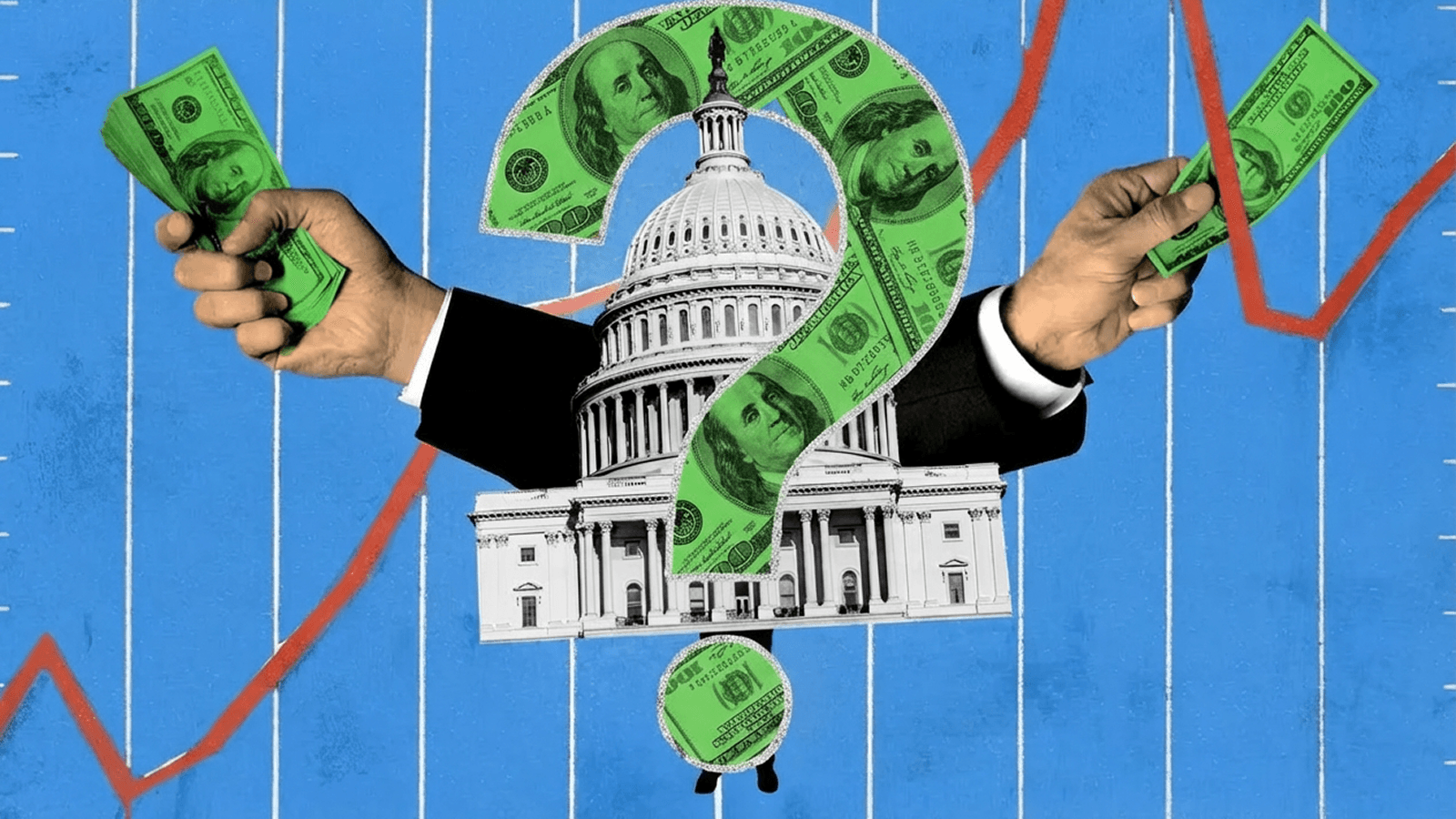
It’s actually pretty simple: ban members of Congress from trading individual stocks.
Members of Congress know things the rest of us don’t
They get early briefings, sit in classified meetings, and hear about problems before they become headlines. That access exists for a reason. Lawmakers are supposed to understand what’s coming so they can make good decisions.
But that same access is exactly why they shouldn’t be trading individual stocks.
You can’t help write the rules, oversee the system, and then personally profit from how those rules play out.
When lawmakers trade stocks, it’s not only like an athlete betting on a game. It’s more like the referee or the league commissioner betting on the outcome. That kind of conflict would get you fired in almost any other job.
This keeps happening, and people notice
Every few months, there’s another headline.
A lawmaker sells shares shortly before bad news hits a company.
A family member trades stock just before an investigation becomes public.
A committee member criticizes a company, then reports a trade that benefited from the fallout.
You can debate intent in any one case. But when these stories pile up, people stop giving Congress the benefit of the doubt.
And honestly, that reaction makes sense.
Congress tried reporting trades. It didn’t solve this.
After the 2008 financial crisis, Congress passed a law requiring members to report their stock trades.
The idea was straightforward. If the public could see the trades, bad behavior would stop.
Instead, it showed how often lawmakers trade, how late some of those reports come in, and how weak the consequences are for missing deadlines. In some cases, the penalty is a $200 fine that isn’t even consistently enforced.
Whether or not those trades "technically" broke the law, they sent a clear message. Seeing the activity didn’t build trust. It made the conflict harder to ignore.
This is one of the rare things people agree on
Democrats, Republicans, and independents largely land in the same place: members of Congress shouldn’t be trading individual stocks.
That level of agreement is uncommon and for Congress to ignore it is a choice.
Some bills have tried to fix this
One example is the HONEST Act, along with similar bipartisan proposals.
At a basic level, these bills would:
Ban members of Congress from buying or selling individual stocks
Apply the rule to spouses and dependent children
Allow broad funds, retirement accounts, and blind trusts
Give lawmakers time to divest after taking office
In other words, lawmakers could still invest and save for retirement. They just wouldn’t be allowed to personally trade stocks while in a job that gives them massive informational advantages.
So why hasn’t Congress fixed this?
A lot of lawmakers say they support a ban. They’ll say it in interviews and post about it online.
Then the vote comes up, and nothing changes.
Bills stall. Votes get delayed. Proposals get watered down. In some cases, lawmakers who say they oppose stock trading vote against the bills that would actually ban it.
From the outside, the pattern is hard to miss: agreement in public, inaction when it matters.
The reasons vary. The bill isn’t perfect. The timing isn’t right. The Senate won’t move. But the outcome is always the same.
Lawmakers keep the ability to trade stocks, and voters are told to wait.
One clear rule would matter
If Congress wants a real win with the public, this is it.
No ethics pledge or messaging campaign will matter as much as a simple rule that people can understand: lawmakers don’t trade individual stocks while in office.
If you want to know where your representative actually stands, ask them one question:
Will you support a full ban on individual stock trading for members of Congress, including spouses and dependent children?